Designing Graft
Turning a Complex AI System Into a Usable Product
Company
Graft
Industry
AI
Tags
AI Native Design
Systems Thinking
Product Architecture
Duration
3.5 years
Overview
When I joined Graft in 2021, the product was technically powerful but functionally overwhelming. It offered data source connections, entity creation, embedding pipelines, enrichments, and even a SQL UI to query transformed data, but none of it was framed in a way that users could understand or use confidently. It felt like an open-ended AI operating system without instructions. My mission was to transform it into a coherent product, by architecting clarity, removing friction, and helping users understand what Graft is, what it does, and how to get value from it. Over three years, I led multiple redesigns and strategic pivots, from guided flows and apps, to chat interfaces, to agent-based UX. I defined role-based interaction models, simplified mental load, shaped how technical concepts were framed and surfaced, and even contributed in code to accelerate implementation. I wasn’t just designing screens, I was designing systems of understanding.
Problem
Graft had vision and technical power, but no one could figure out how to use it. It felt like an AI operating system with no manual. Users didn’t fail because they didn’t try, they failed because we handed them an unsolvable puzzle. My job wasn’t just to design screens. It was to build the architecture of understanding.
Key Contributions
Introduced reusable UX structures like chat modes, step-based flows, and entity templates to guide setup and reduce complexity. Embedded AI enrichments (e.g. sentiment, topic detection) directly into tables as one-click actions to make advanced tooling intuitive. Transformed the product from a loose collection of features into a cohesive, role-based system with a clear architecture and simplified core flows.
FROM RAW POWER TO USABLE PRODUCT (2021–2022)
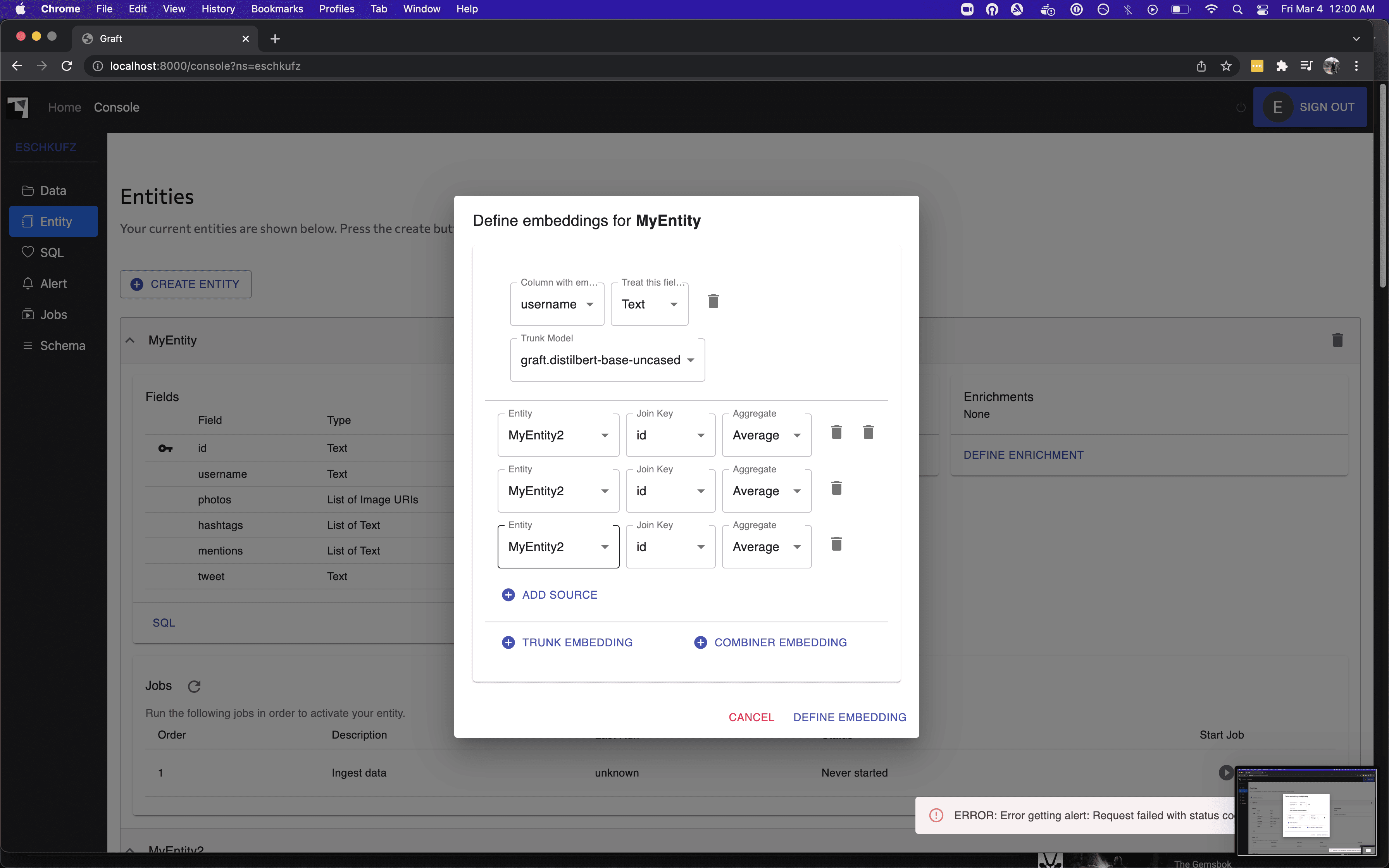
The initial product was a maze of AI terms: labeling, embeddings, enrichments. I audited interviews, ran competitive analysis, and mapped the internal model. The first step was introducing guided setup flows and visual clarity, helping users complete basic projects without knowing ML theory.
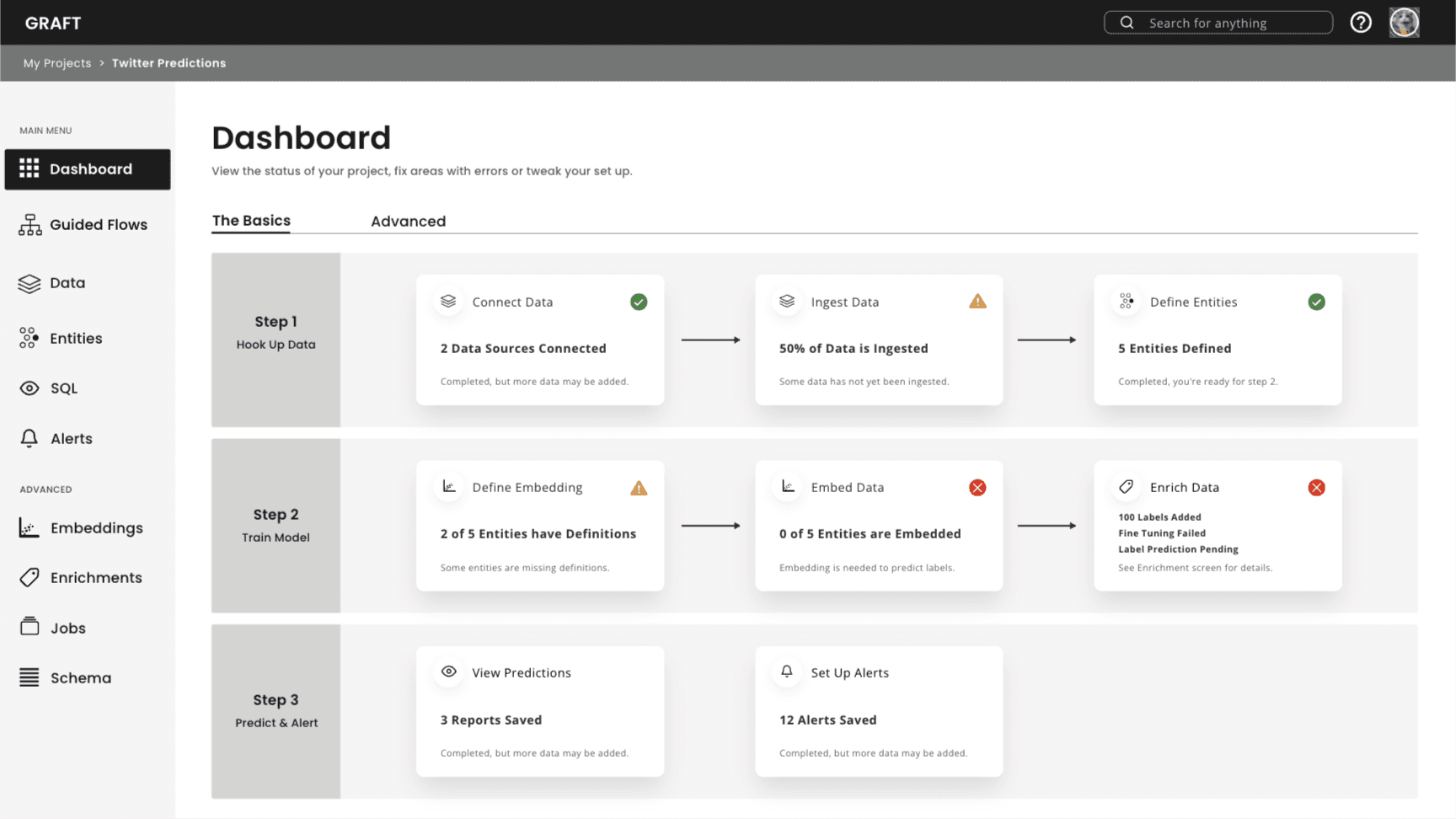
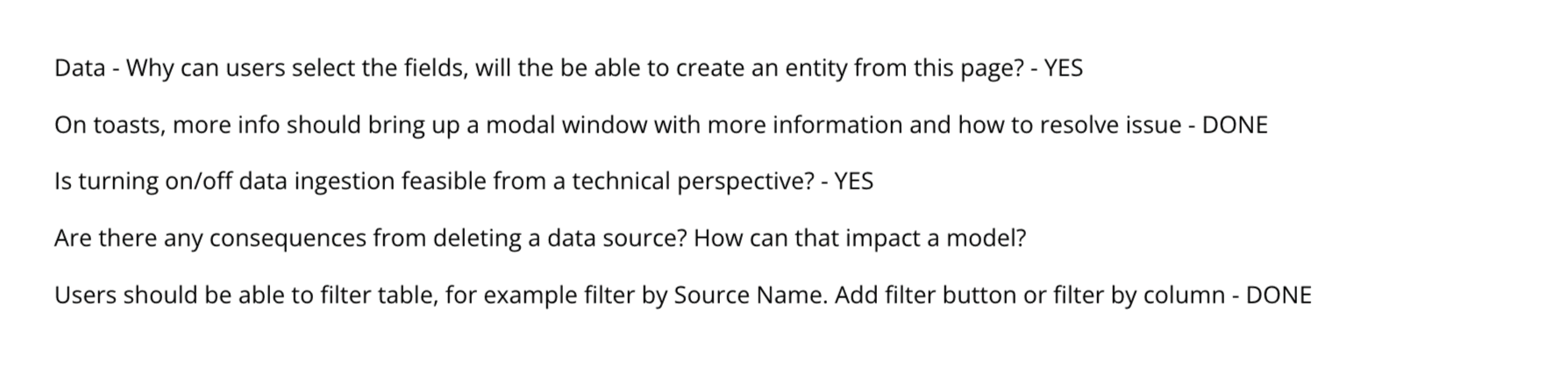
We created apps that bundled prebuilt enrichments (e.g., sentiment detection, classification) into usable templates. I designed interactions that turned enrichments into “AI tools” users could add with a click. But we were still solving too many problems, too horizontally, and user success remained low. System Design Insight: More features ≠ more value. Users wanted us to solve one real problem, well.
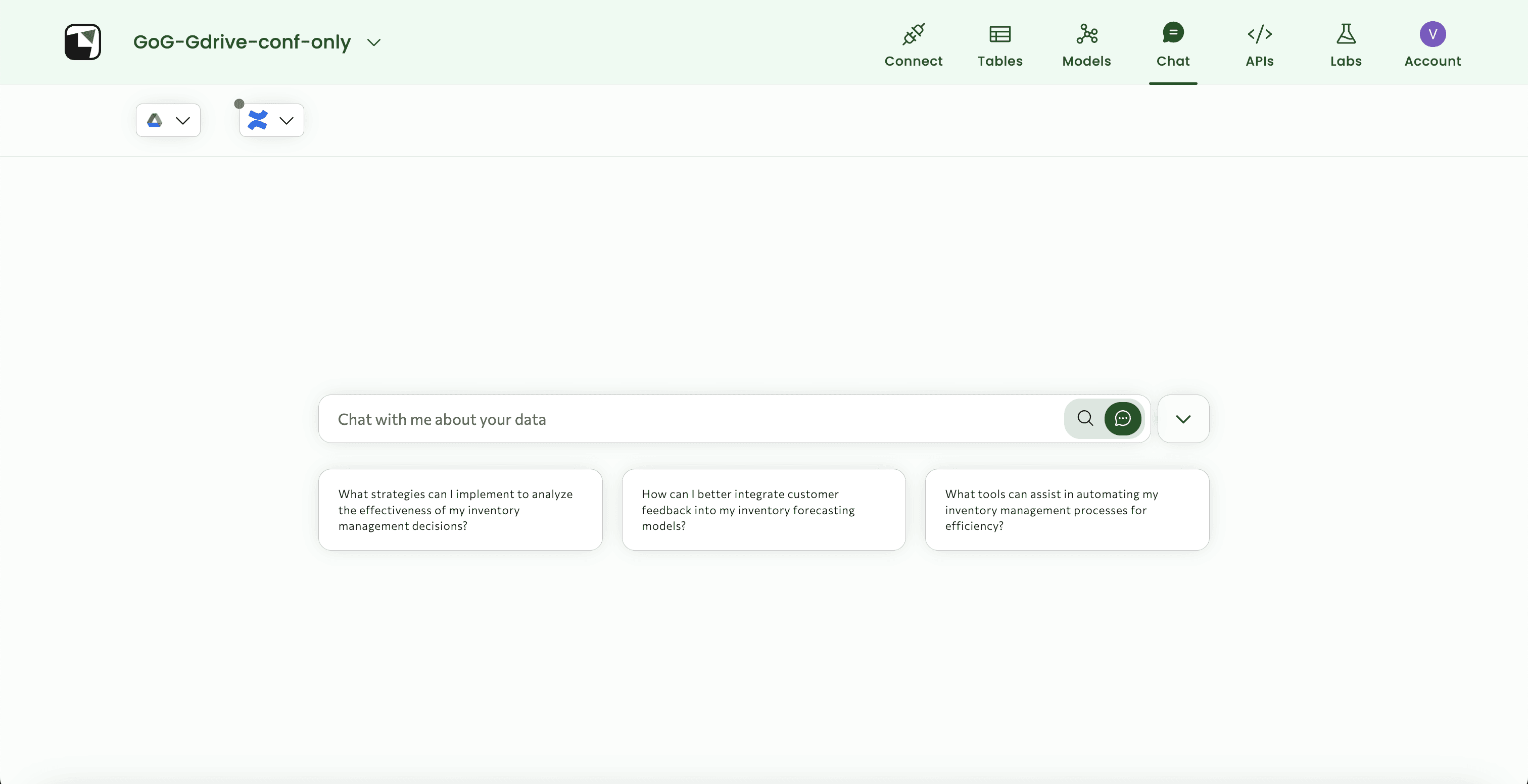
We introduced dual modes: Chat for simplicity, Explore for flexibility. I helped prototype both and advocated for a mental model shift: users should feel like they were configuring a teammate, not a system. This was the early seed of agent-based UX. I rewrote flows, and supported UX research to validate directions. But complexity still lingered. Insight: Looking like ChatGPT made users expect ChatGPT. We needed to reset expectations, while preserving our edge.
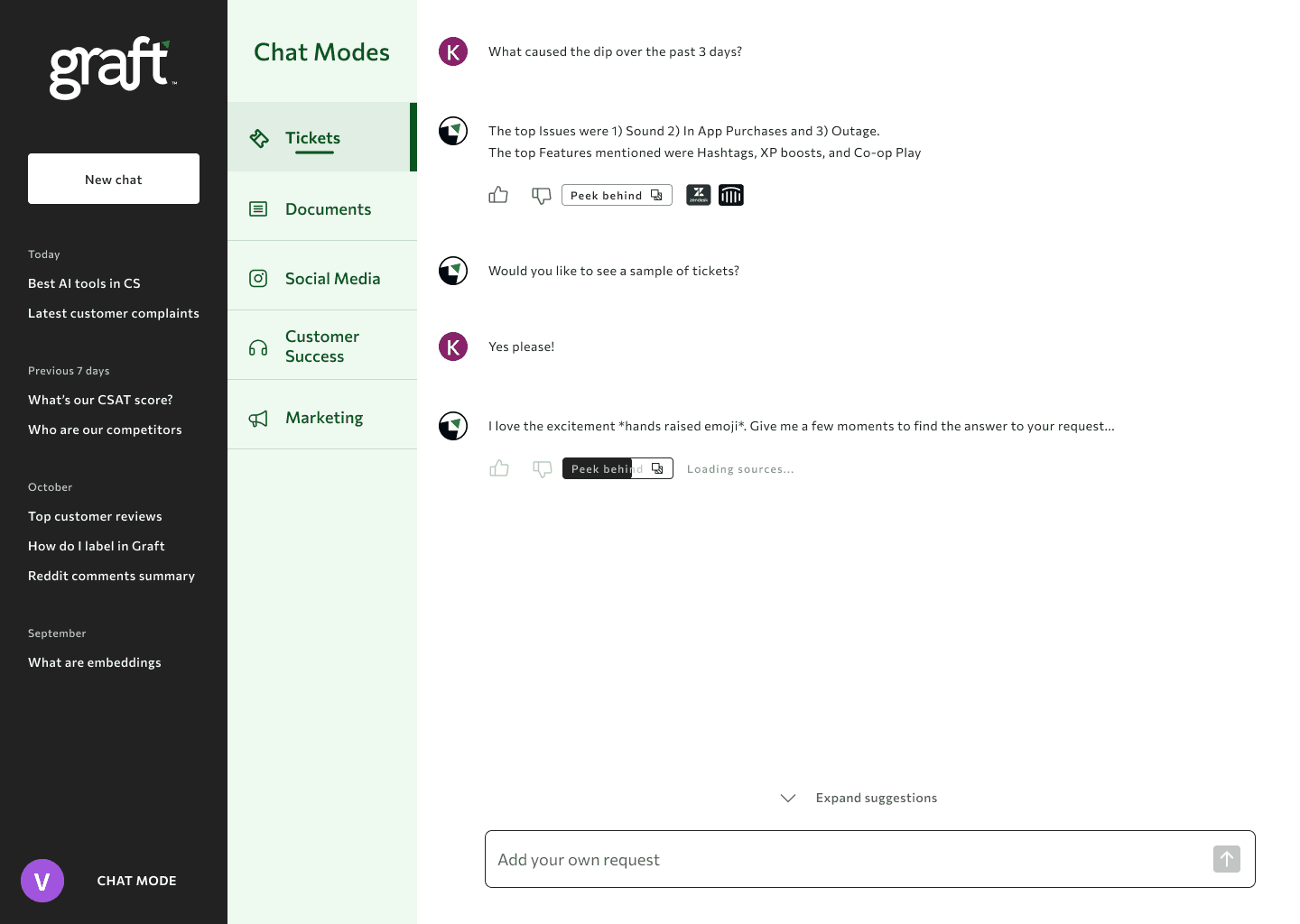
I led a major redesign grounded in role-based UX and clarity-first architecture. We: Removed feature bloat Introduced 3 core personas (Amanda, Jason, Sally) Redesigned the product around a chat + table model Hid complexity behind progressive disclosure Shifted enrichments into clickable, column-based actions I collaborated closely with engineers to validate feasibility and iterated fast, from whiteboards to low-fi flows to code. System Design Insight: Simplicity isn’t less, it’s what’s essential and intelligible.
I designed an agent-based UX that aligned with emerging AI mental models, without requiring users to configure agents manually. Instead, users would create a project, and Graft would intelligently generate the necessary agents in the background. As users asked questions, they could explore a graph view showing how data sources, enrichments, and agents connected to deliver answers, building trust without overwhelming them.
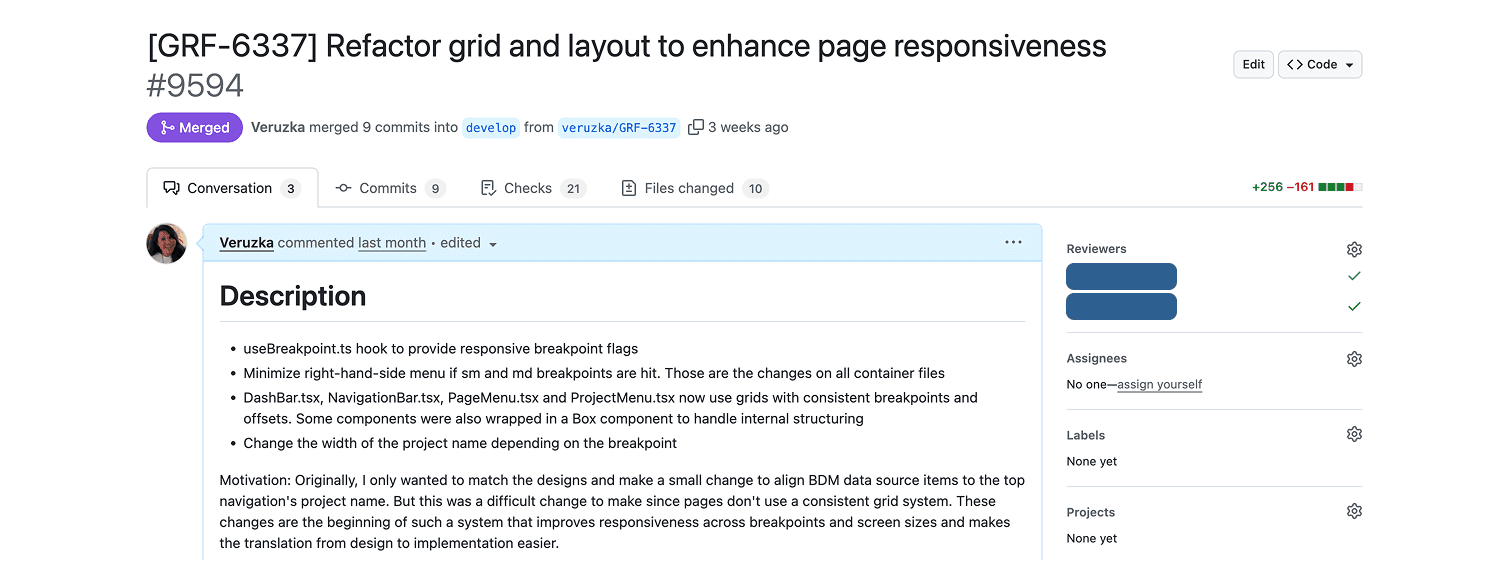
I also contributed front-end code to bring polish details to life, such as: Empty states that guide users Role-specific UI tweaks Copy edits and layout refinement Here’s a peek at some of the PRs I submitted to bring that polish into production:
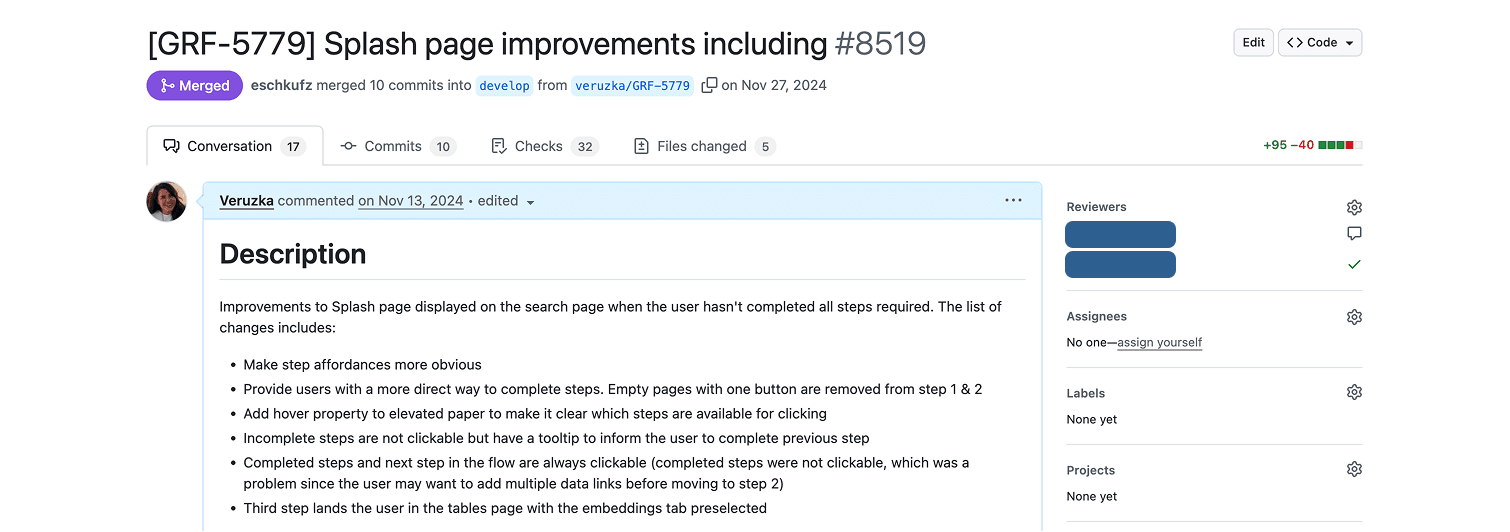
This wasn’t just interface design. It was systems design: → Architecting clarity in a technical environment → Designing UX scaffolding that matched user mental models → Framing and chunking AI outputs into explainable, usable UI → Creating an app ecosystem that made advanced capabilities feel plug-and-play
Designing Graft taught me that good AI UX isn’t about simplifying AI, it’s about making the user feel powerful without needing to understand what’s under the hood. My work was part design, part translation, part architecture. The best design move wasn’t a screen, it was cutting through complexity to expose a simpler core, built around real user problems.